
Introduction
A paint bubble on a Burlington rocker panel rarely tells you on its own whether the problem is cosmetic or something deeper. The difference matters because rust that reaches frame rails, suspension mounts, or brake lines turns a paint problem into a safety one.
KEY TAKEAWAYS
- A paint bubble or small rust patch can be cosmetic or a sign of deeper corrosion; only an in-person assessment tells you which
- Corrosion that reaches frame rails, suspension mounts, or brake lines becomes a safety concern, not merely an appearance issue
- The next step is a free, no-obligation rust assessment, followed by an upfront itemized written estimate
- Autohome Inc. serves Burlington, Mississauga, Oakville, Milton, Hamilton and surrounding areas, open seven days 8:00 am to 8:00 pm
He ended up with a rusted brake line he hadn’t known about after grinding down a paint bubble himself; watching that changed how I frame every rust conversation, because the visible patch was never the whole story.
That story is why I start every assessment the same way: an in-person look before anyone talks price. Autohome Inc. offers a free, no-obligation rust inspection, then an upfront itemized written estimate with photo and video progress updates. The shop serves Burlington, Mississauga, Oakville, Milton, Hamilton and surrounding areas, open seven days a week from 8:00 am to 8:00 pm.
So what kind of rust are you actually seeing? The visible patch is only ever a starting point, and the next section walks through what each stage of corrosion means for your vehicle.
What Kind of Rust Are You Seeing?
The worry usually starts with a bubble. The useful next move is to name the kind of rust you are actually seeing, because the visible spot rarely tells you how deep the corrosion runs.
Surface rust, scale rust and penetrating rust are different conditions
Surface rust is the early stage. The coating has failed around a chip or scratch, and the outer metal has begun to oxidize. Autohome Inc. documents this repair as sanding, priming and repainting.
Scale rust is flaking corrosion. Metal has started to be lost, so a simple refinish is no longer the right call. The documented approach moves to grinding or sandblasting, then rust inhibitors and protective coatings.
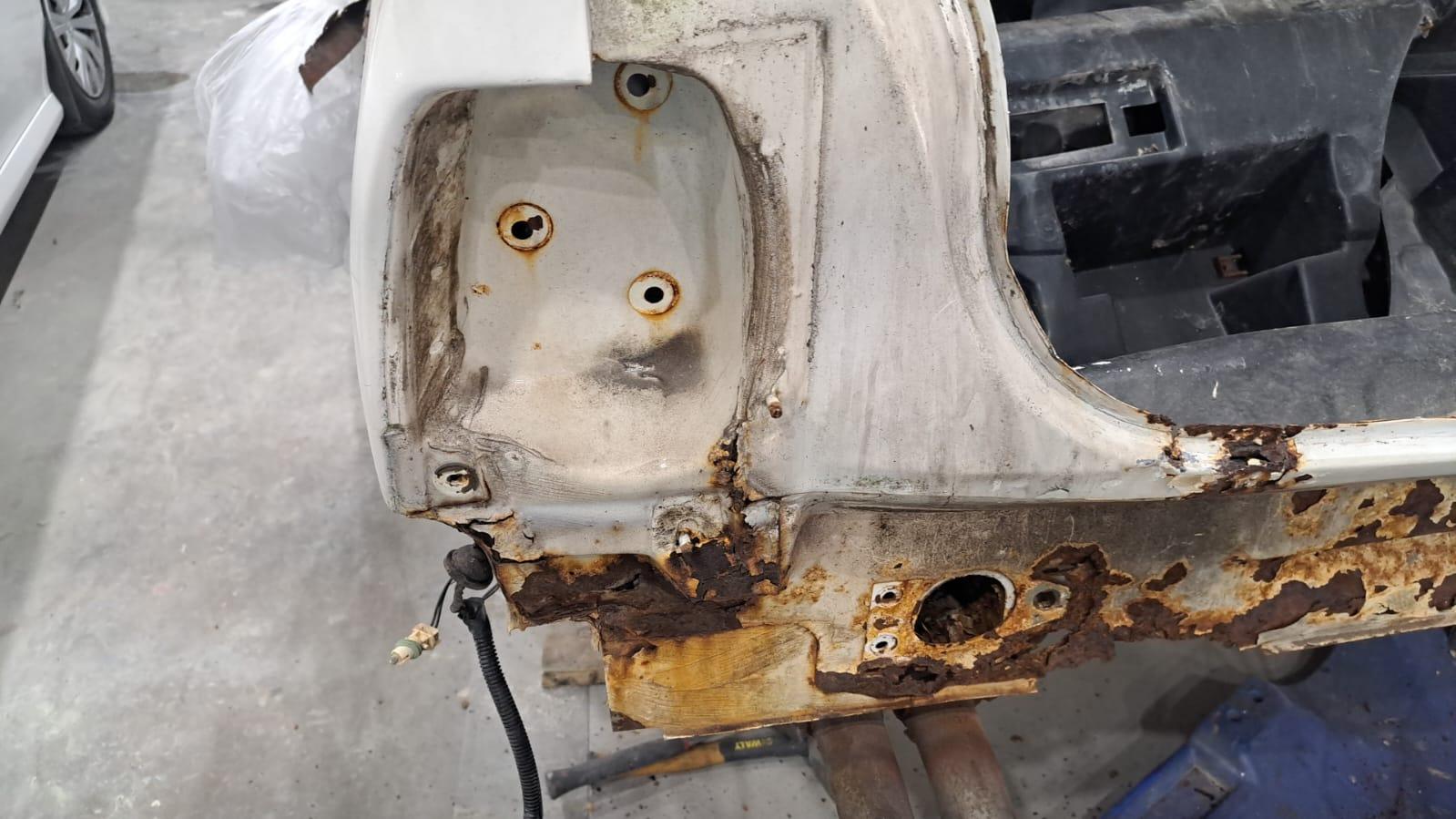
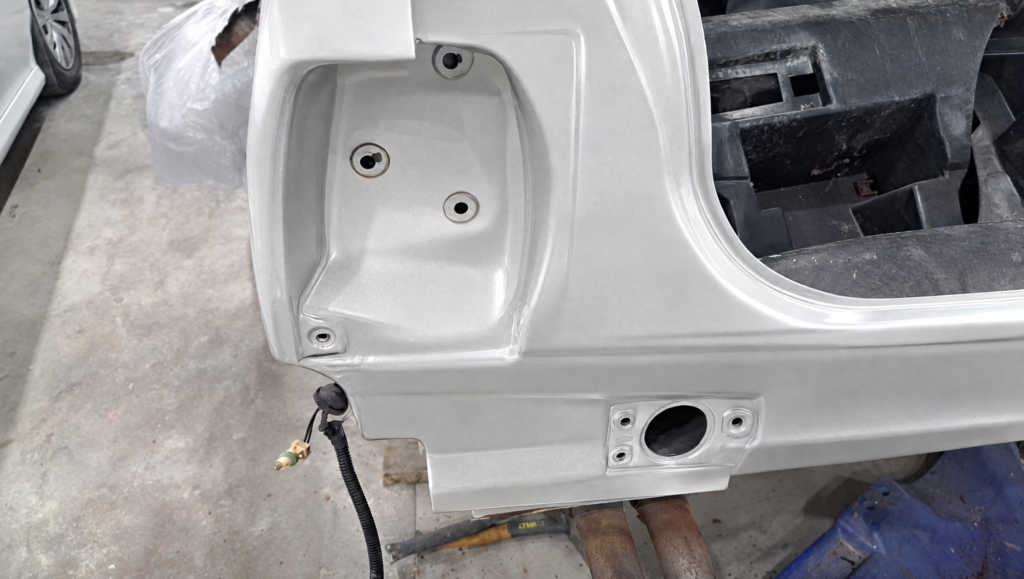
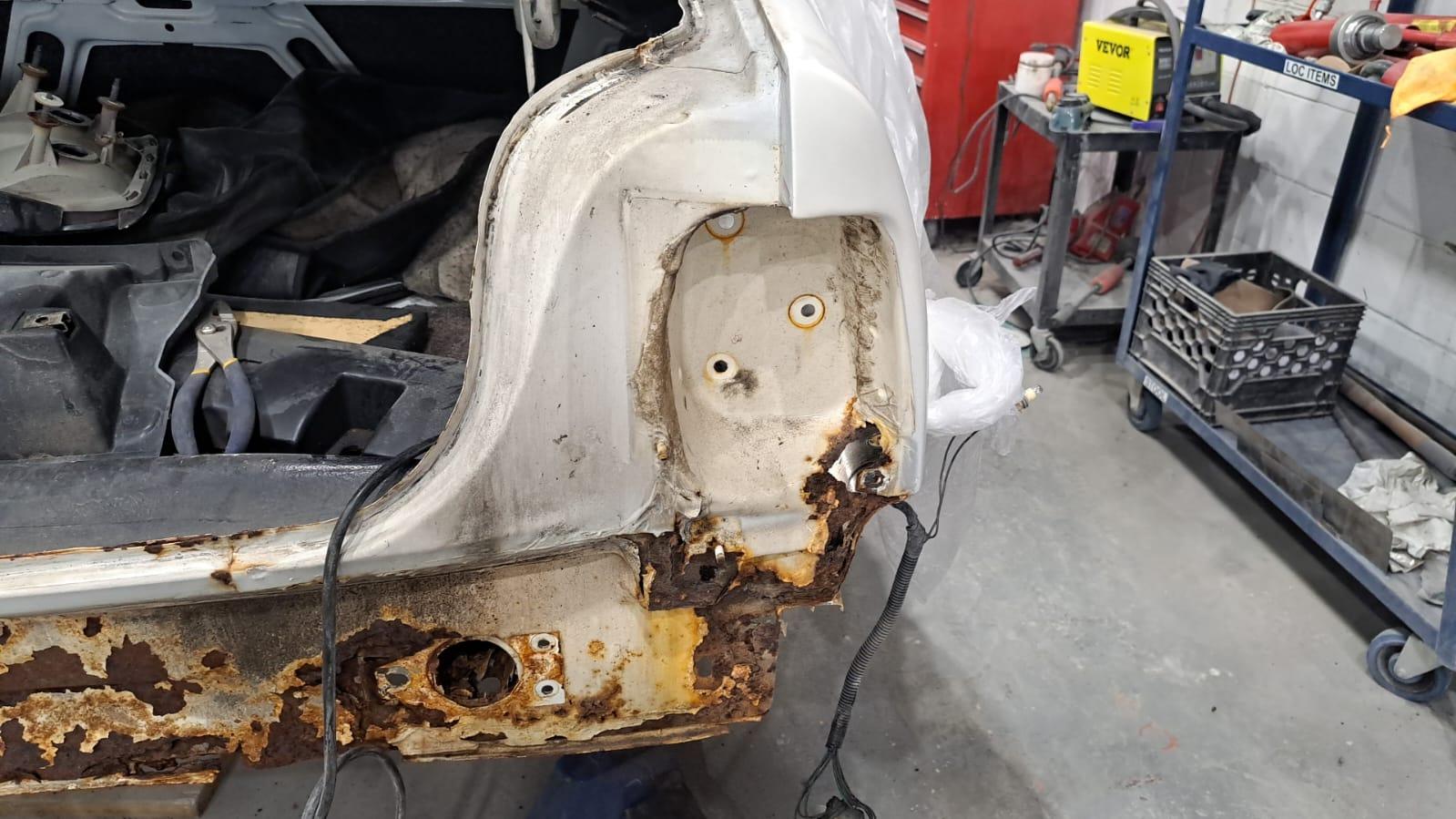
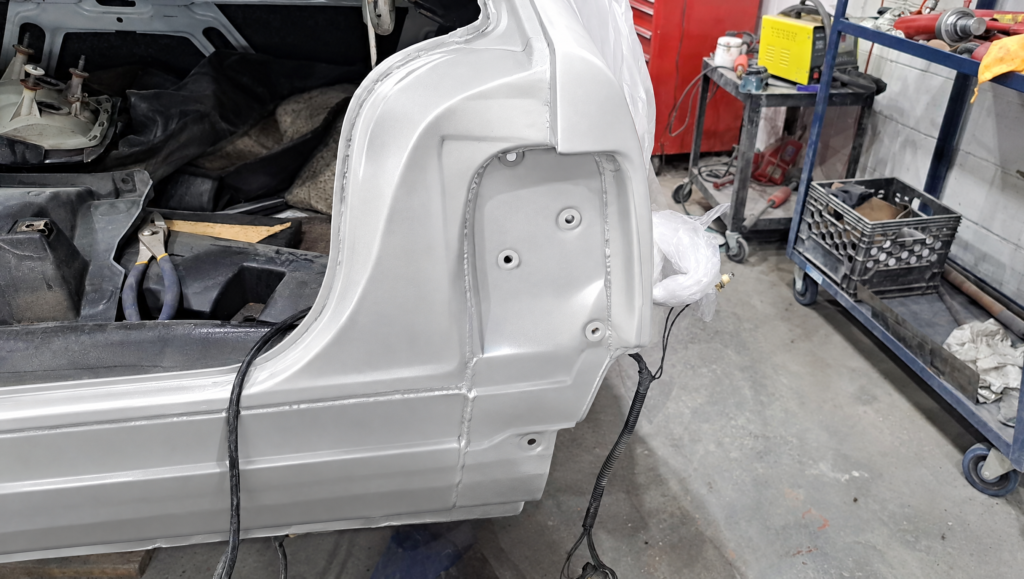
Penetrating rust has created a hole or compromised the panel. Repair at this stage means cutting out the damaged section, welding in replacement metal and applying rust-proof coatings.
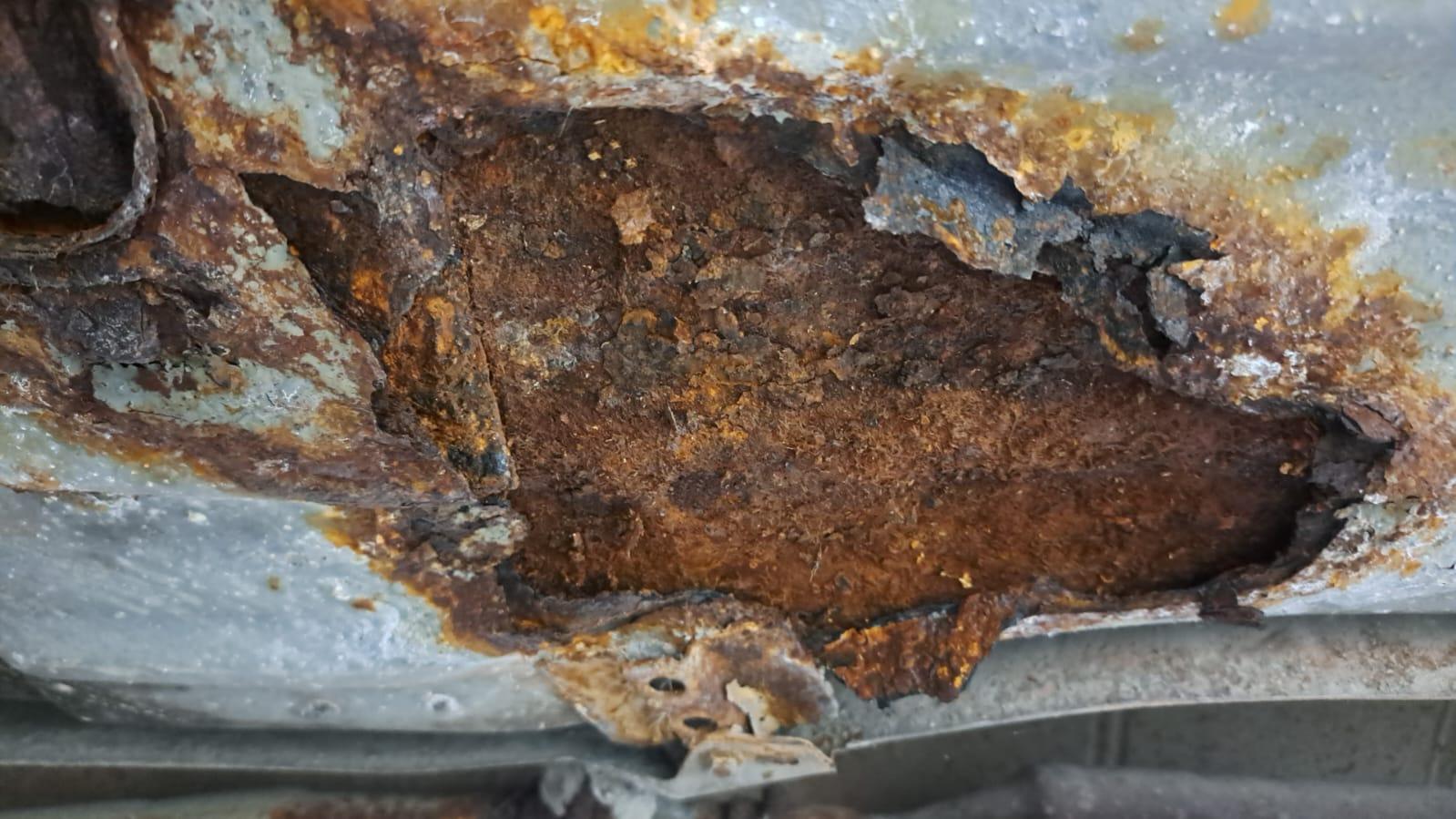
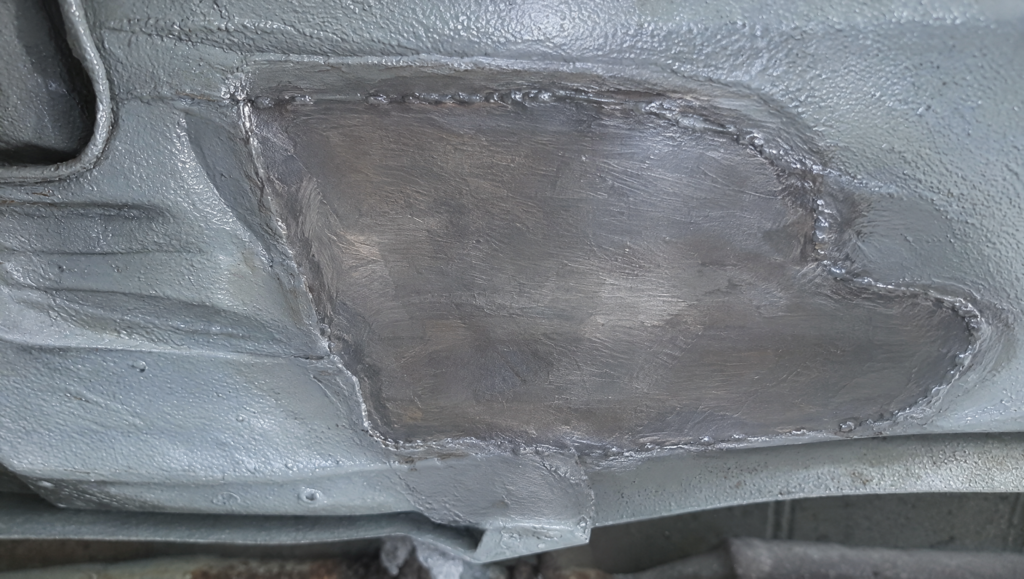
A customer pointed at a small bubble on a rear wheel arch and asked if a quick repaint would fix it. I have seen the same moment enough times to expect what the sanding would show. When the paint lifted, the metal behind it had already started flaking, which moved the job from a refinish to grinding and inhibitors before any primer touched the surface. That pattern is why I never treat a visible bubble as the whole story. The outer spot is the clue, not the measurement of sound metal beneath it.
Visible rust alone does not establish how much sound metal remains. A small patch can sit over a larger area of scale rust, and only removal shows the real repair scope.
EXPERT TIP
Surface, scale and penetrating rust are different repair conditions, not just different-looking spots; the documented repair approach changes from sanding and repainting to grinding with inhibitors to cutting and welding replacement metal.
Hidden rust describes a location, not a severity
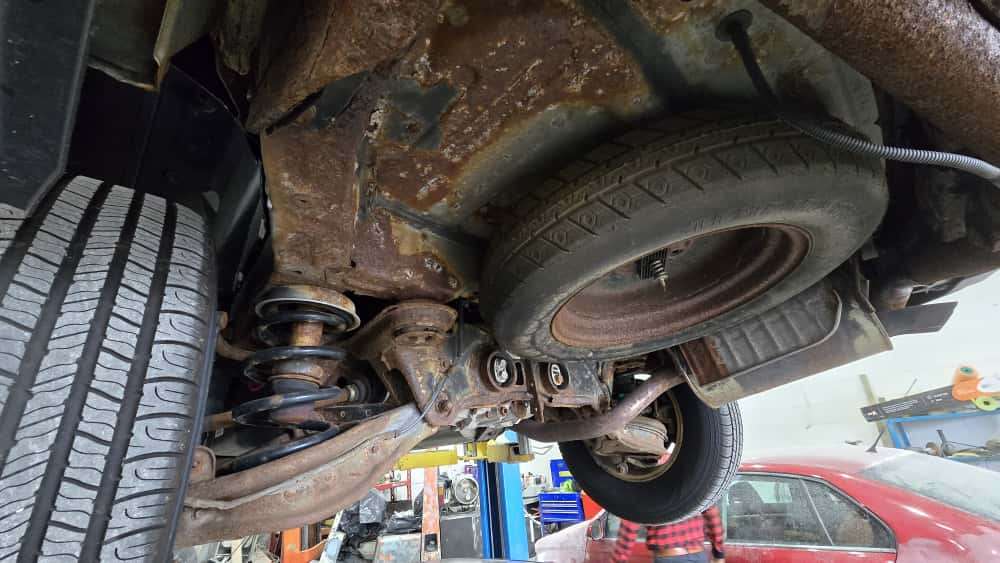
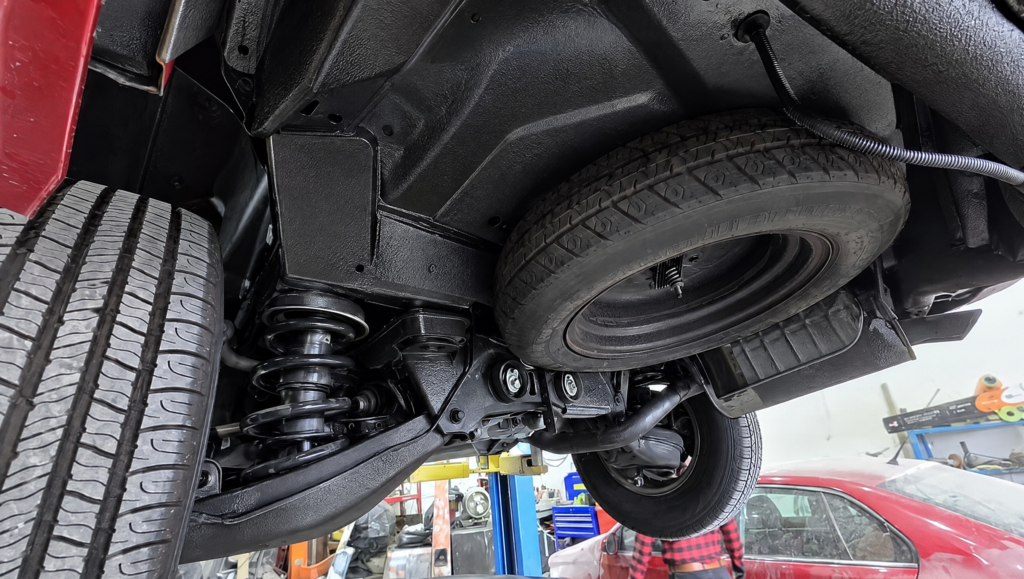
Hidden rust is a location clue. The term points to corrosion you cannot see from a standing position: underbody panels, wheel wells, seams and areas behind trim. A hidden patch can be minor surface rust or advanced penetrating rust, and a photo cannot tell you which. Autohome Inc.’s documented approach starts with professional inspection, then moves to targeted repairs, protective sealing and preventive treatments once the concealed condition is known.
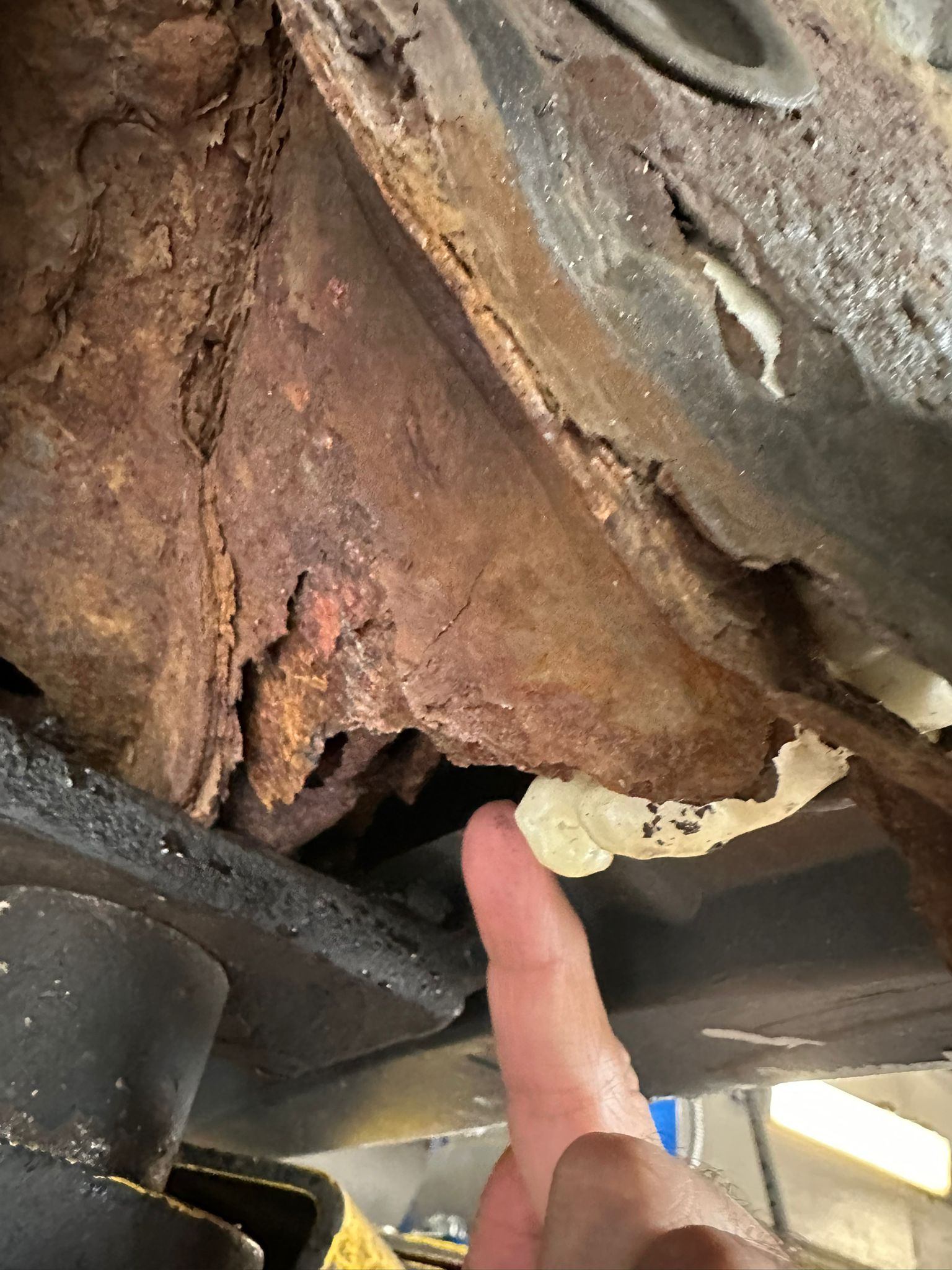
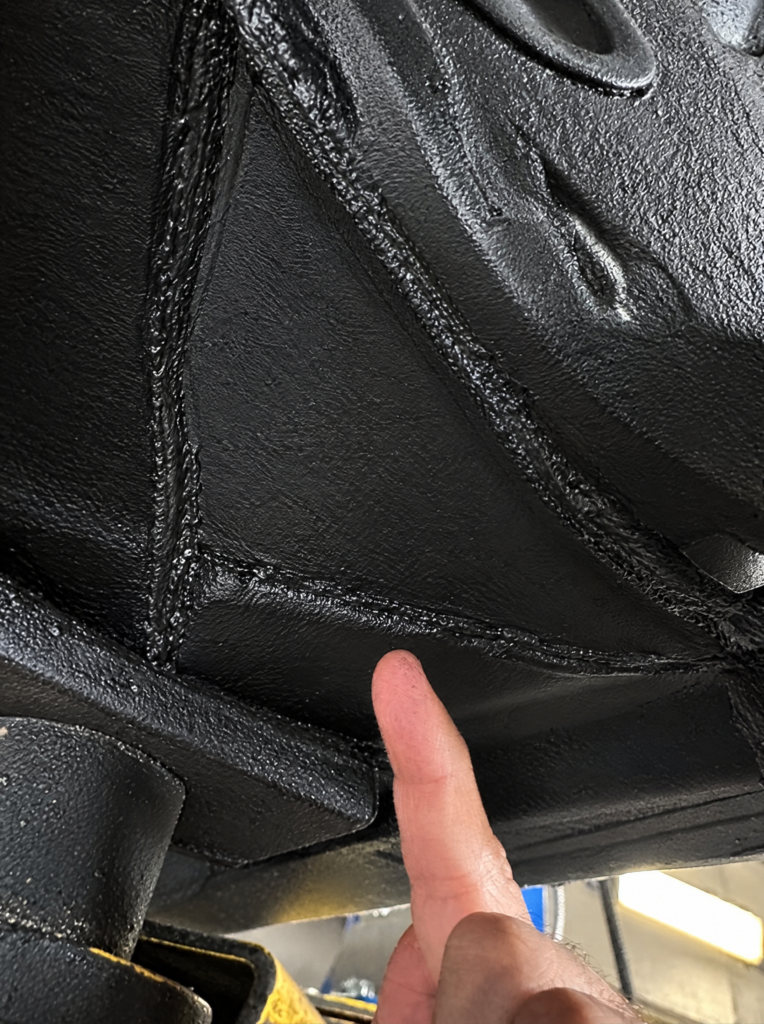
When a rust concern may involve safety
Frame rails, suspension mounts and brake lines deserve professional assessment. Corrosion in any of them can change how the vehicle behaves: rusted brake lines can compromise stopping power, and weakened suspension mounts can affect handling. A repair plan must separate metal repair from refinishing. Safety-related locations get addressed before cosmetic work, and the plan should make that order plain.
From here, you can match your specific concern to the right next step.
Match the Concern to the Right Next Step
The four categories from the previous section sort what you can see so you know where to begin. Severity is a separate question. A small-looking chip and a large-looking patch can both hide more damage than the surface suggests.
A simple repair-or-prevention decision path
Start with what you can see. A chip, bubble, or flaking patch points toward surface or scale rust and a repair conversation. A hole, or anything that feels soft under a screwdriver, means penetrating rust and a structural check. Corrosion you suspect but cannot see is hidden rust, which needs an inspection to locate it. No known damage plus an interest in protection? That is a rust-proofing conversation.
The split that matters: rust-proofing protects clean metal, and it cannot repair corrosion that already exists. Undercoating, cavity wax, sealants, and moisture barriers are preventive. They cannot fix a flaking patch.
Sorting a flaking patch into the right column before any work starts saves more time than any tool in the shop. A driver once showed me a bubbling rear arch and asked about rust-proofing, and that question told me everything about where the confusion lives: undercoating and cavity wax protect clean metal, but they do not touch corrosion that has already started. The repair-or-prevention split is the setting that matters most. Once I separated “what protects” from “what repairs,” the whole assessment got faster and the estimates stopped surprising people.
What a free rust assessment gives the customer
Autohome Inc. offers a free, no-obligation rust assessment. You leave with three things: a visual findings summary, a proposed repair scope, and an itemized estimate before any work is approved.
| Concern or service | What it means | Autohome Inc. approach described on the page | What the assessment clarifies |
|---|---|---|---|
| Surface rust | Early corrosion at the coating or outer metal, often around a chip or scratch | Sanding, priming and repainting | Whether the damage is truly surface-level or extends deeper |
| Scale rust | Flaking corrosion where metal has begun to be lost | Grinding or sandblasting plus rust inhibitors and protective coatings | How much sound metal remains and whether the repair is worthwhile |
| Penetrating rust | Corrosion that has created a hole or compromised the panel | Cutting out damaged sections, welding replacement metal and applying rust-proof coatings | The full extent of damage and whether replacement affects structure |
| Hidden rust | Corrosion in concealed locations, not a severity rating | Professional inspection followed by targeted repairs, protective sealing and preventive treatments | Where the corrosion is and what must be removed to reach it |
| Preventive rust-proofing | Protection for clean metal, not a repair for existing corrosion | Undercoating and cavity wax treatments, sealants and moisture barriers, and preventive maintenance guidance | Whether existing rust must be repaired before protection is applied |
Once you have matched your concern to a branch, the repair work itself has a sequence worth understanding before you approve anything.
How Rust Repair Works, Step by Step
So what actually happens in the shop? Autohome Inc. runs every rust repair through a seven-step sequence, from inspection to handover, and each stage has a visible purpose.
1. In-depth rust inspection and diagnosis
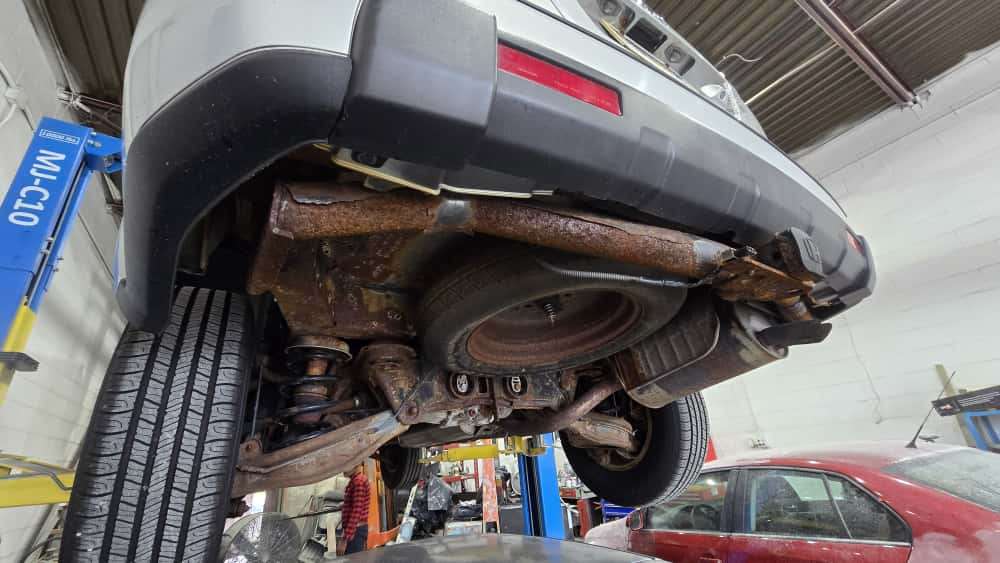
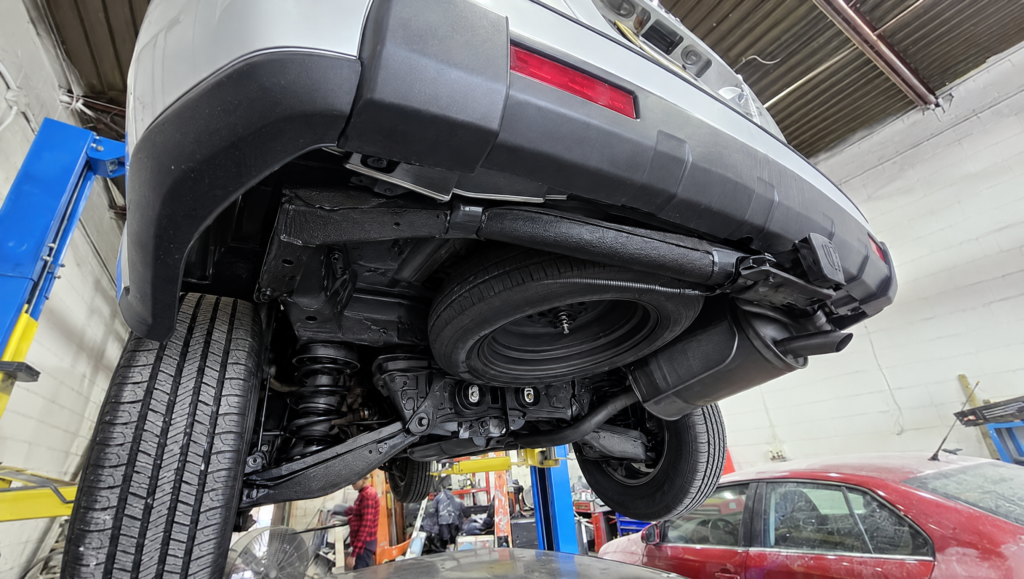
Inspection comes before any repair. A paint bubble tells you corrosion exists, but not how far it has travelled; hidden rust behind trim, inside a wheel arch, or along a seam can change the scope entirely. The in-depth inspection checks the visible spot and the concealed ones, turning that bubble into a clearer picture and a repair plan you can discuss before anyone touches the metal.
2. Rust removal and surface preparation
How does it actually go once I approve the work? My own daily driver went through Autohome Inc.’s seven-step process, and the rust removal and surface preparation stage was the point where a paint bubble stopped being a guess and became a clear repair plan.
Grinding, sanding, or blasting removes the corrosion and cuts back to clean metal. Coating over what remains only hides the problem. This stage is where the scope gets its first real test, because what sits under the bubble is only visible after the coating comes off.
3. Metal fabrication and panel replacement
When corrosion has eaten through the panel, surface work cannot save it. Autohome Inc. cuts out the rusted metal, shapes a replacement piece, and welds it in. This is metal repair proper: the panel has to be structurally sound before primer and paint go anywhere near it.
4. Rust conversion and corrosion protection
With the metal stable, the sequence protects it in layers. Rust converters and inhibitors treat the surrounding surface, and primers and sealants close the repair. These products support the job; they cannot replace removing severely corroded metal. A converter will not rebuild a hole.
5. Priming, painting and colour matching
Computerized colour matching reads the surrounding paint and builds a formula to match it as closely as the process allows. The goal is to blend the repair into the existing colour. On a panel that has aged in sun and weather, no honest shop promises a flawless match.
6. Protective undercoating and final seal
Undercoating along with protective wax or sealants goes into the undercarriage, wheel wells, and cavities where water and road salt collect. These treatments help keep a repaired area from corroding again; they do not fix corrosion that is already present.
7. Final inspection and quality check
Before delivery, the vehicle gets a final quality review against the approved work. The handover connects the finished vehicle to the written estimate and the warranty terms, and you receive photos, videos, and plain-language explanations. The final invoice and paperwork are yours to keep.
What the customer sees while work is underway
You get photo and video updates with clear explanations as the job moves through the stages. A photo-led repair case card follows one job from first concern to keys back in hand, so you have a record of what changed and why.
Each of those seven stages should map to a line on your written estimate, so the next step is knowing what Ontario requires before you approve it.
Estimates, Approval and Repair Paperwork in Ontario
The repair process produces the work. The paperwork rules determine what you have to approve and what you can be charged, and in Ontario those rules protect you before a single dollar leaves your account.
What to expect before authorizing work
At Autohome Inc. we hand you an upfront, itemized written estimate before any rust repair begins. Ontario law requires it: a shop cannot charge you without a written estimate unless you decline the estimate and agree to a maximum amount you are willing to pay.
That estimate has to spell out quite a lot. Your name, the shop’s name and address. Your vehicle’s make, model, VIN number. An exact description of the repairs, whether parts are new, used or reconditioned, and whether they are OEM. The price of each part, the total labour cost and how it is calculated, the total amount billed, the date the estimate is given and when it expires, and the expected completion date.
Preventing Rust After Repair
Practical habits that support prevention
Five habits reduce moisture and salt accumulation: wash the underbody after winter salt, keep drain holes clear, touch up stone chips, inspect wheel arches and lower panels, and recheck treated areas. These support prevention. They cannot replace a repair.
An illustrative wheel-arch decision
Consider a wheel arch with a visible paint bubble. The assessment opens the area and finds the corrosion has spread behind the panel, so the repair scope changes from a small patch to a larger panel section. The customer approves the additional work before it proceeds, and photo and video updates keep the scope explicit.
Serving Burlington and Nearby Communities
Once you’ve decided to act, you need to know exactly where to find us and how to reach us. Autohome Inc. repairs rust for drivers in Burlington, Mississauga, Oakville, Milton, Hamilton and surrounding areas.
Local service and contact details
“Will you actually look at my car today, or do I have to leave it?” A driver from Oakville asked me that on the phone. I told her the shop stays open from eight in the morning until eight at night, every day, so she could come straight over. She pulled in that evening, and the rust on her rear wheel arch got assessed on the spot. That kind of access is what the seven-day hours are for.
You’ll find us at 1110 Heritage Road Unit 3, Burlington, ON L7L 4X9. We’re open 7 days a week, 8:00 am to 8:00 pm. Call (437) 223-2118 or email mail@autohomeinc.com to book a free rust assessment. Questions come up before most people are ready to commit, and that’s normal. Our FAQ answers the common ones directly, so you can get your answers before you drive over.
Frequently Asked Questions About Car Rust Repair
Before the final call to action, here are direct answers to the questions we hear most often.
Does a paint bubble mean the panel is weak?
A bubble or flaking patch usually starts at a chip or scratch, and the visible spot alone tells you little about how far corrosion has travelled underneath. That is why we ask to see the car in person. The in-person check separates a simple touch-up from a repair that needs metal fabrication or panel replacement.
Is surface rust urgent?
Surface rust is early corrosion, but it should still be checked before it develops into scale rust or penetrating rust.
What determines repair time and cost?
The size of the damaged area matters, and so does whether metal fabrication or panel replacement is needed. The written estimate fixes the price before any work starts.
Will rust come back?
It can, if new damage exposes bare metal. Our rust conversion and protective coating steps slow recurrence, though no shop can guarantee it never returns.
Can I use a DIY rust converter?
A converter can clean light surface rust. What it cannot do is assess hidden or structural damage. For anything beyond the surface, professional repair is the safer route.
Do I need a written estimate?
In Ontario, a shop must give you a written estimate and record your authorization before it can charge for professional repair.
What if I don’t know what kind of rust it is?
You do not need to name it. With those questions answered, the next step is arranging your free assessment.
Arrange a Free Rust Assessment
Every path in this article leads to the same practical next step.
You do not need to classify the rust yourself before booking a free, no-obligation rust assessment. The sharp edge of a lifted paint bubble catches a fingertip before the flake even breaks, and that texture is exactly why I inspect the metal in person at the Burlington shop. That visit leads to an upfront itemized written estimate and, if you approve the work, photo and video progress updates.
Call (437) 223-2118, email mail@autohomeinc.com, or stop by 1110 Heritage Road Unit 3, Burlington, ON L7L 4X9. Open seven days, 8:00 am to 8:00 pm.
Other Auto Body Services in Burlington
Collision and auto body repair | Bumper repair and replacement | Scratch and dent repair | Paintless dent repair (PDR) | Fender repair and replacement | Hail damage repair | Paint protection film (PPF) | Repair and restoration | Insurance claim help